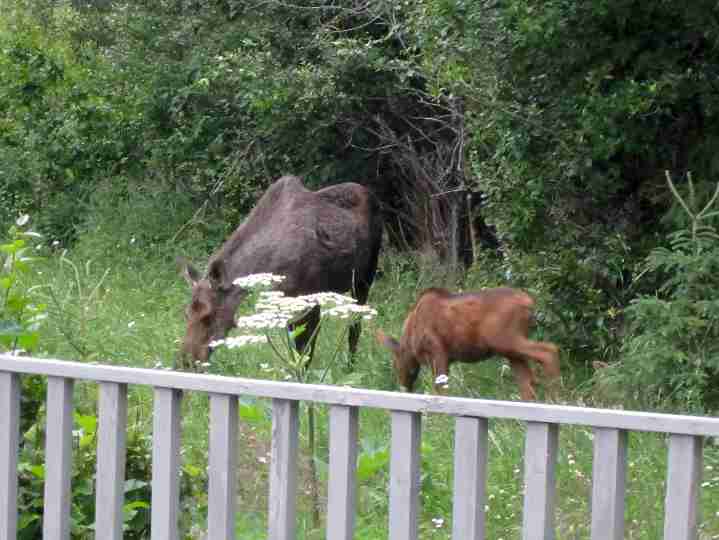
Moose at Kate's condo.
Moose at Kate's condo.

Moose at Kate's condo.

At the Eagle River Nature Center in the Chugach State Park some 12 miles from downtown Anchorage.
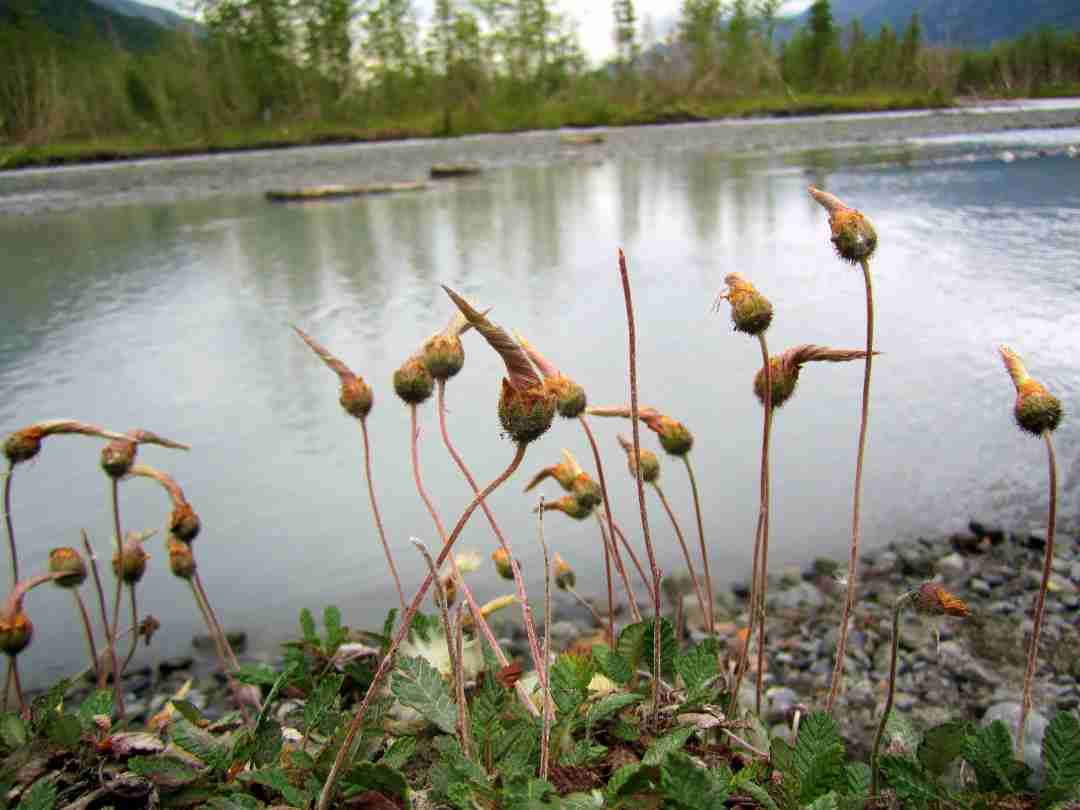
Along the Eagle River.

We saw the flowers in a city park at their height.

Kate and Nancy Lee.
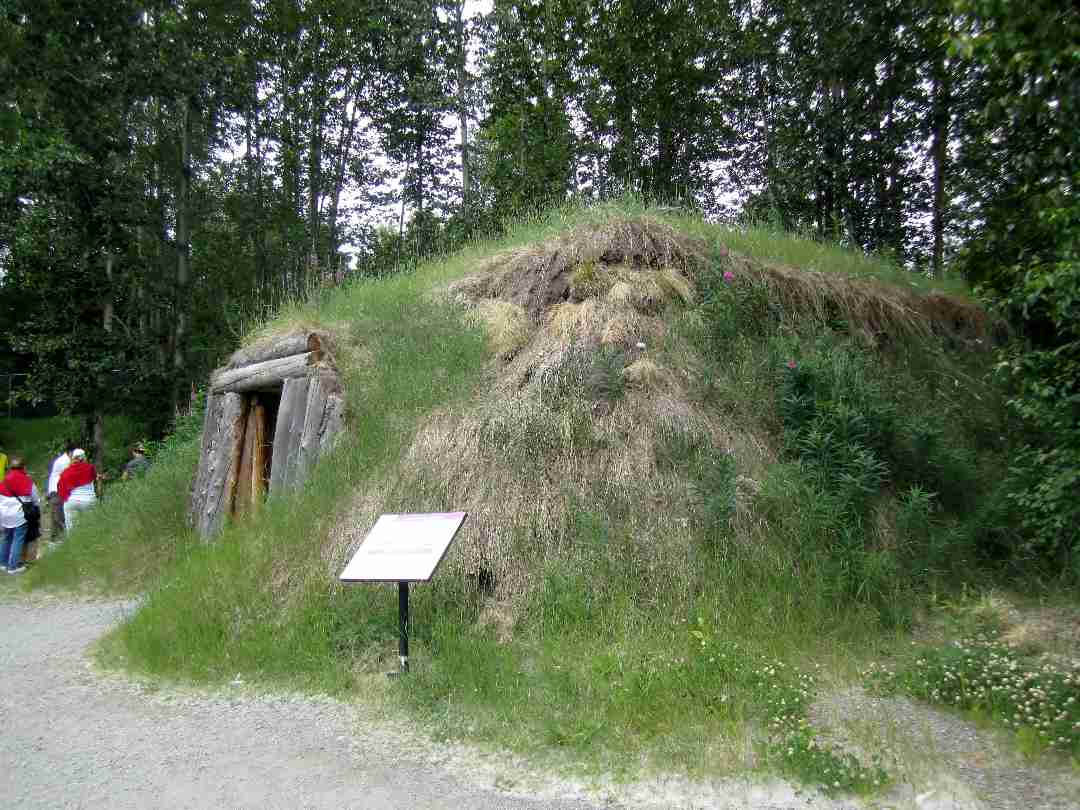
We visited the Alaskan Native Heritage Center and here you see the way that homes were constructed two hundred years ago in the Aleutians.
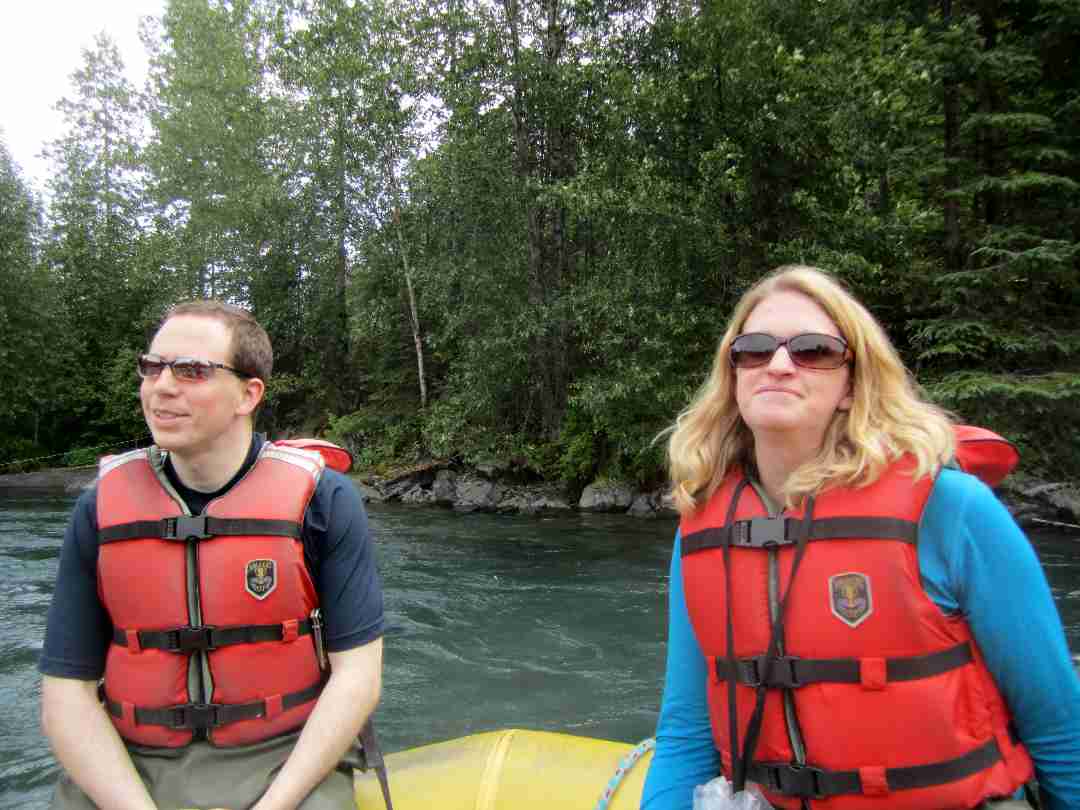
We were going rafting on the Kenai River.
The Kenai Peninsula is South of Anchorage. Click for a map

We saw a Bald Eagle from the raft.
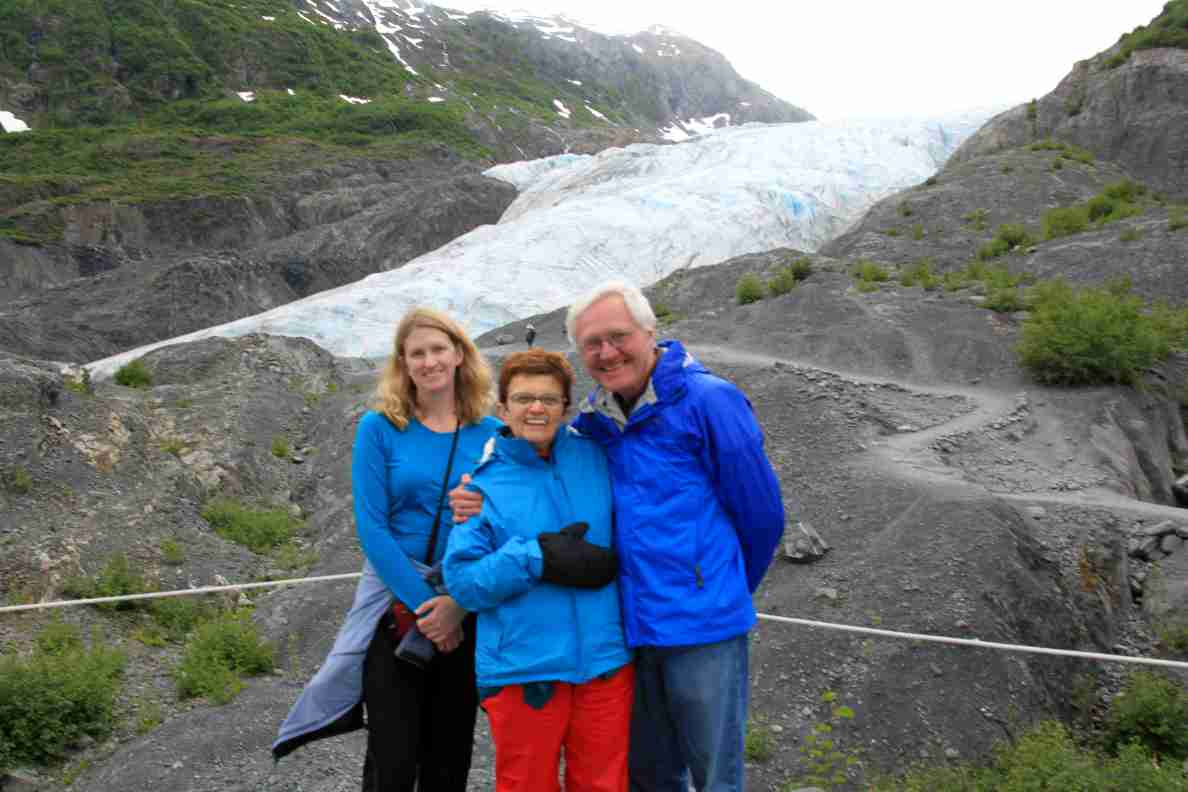
We are at the Exit Glacier.
Seward is the Southern-most city on the Eastern side of the peninsula.
The pronuncitation of the name Seward is in an unfortunate manner, if you know what I mean.
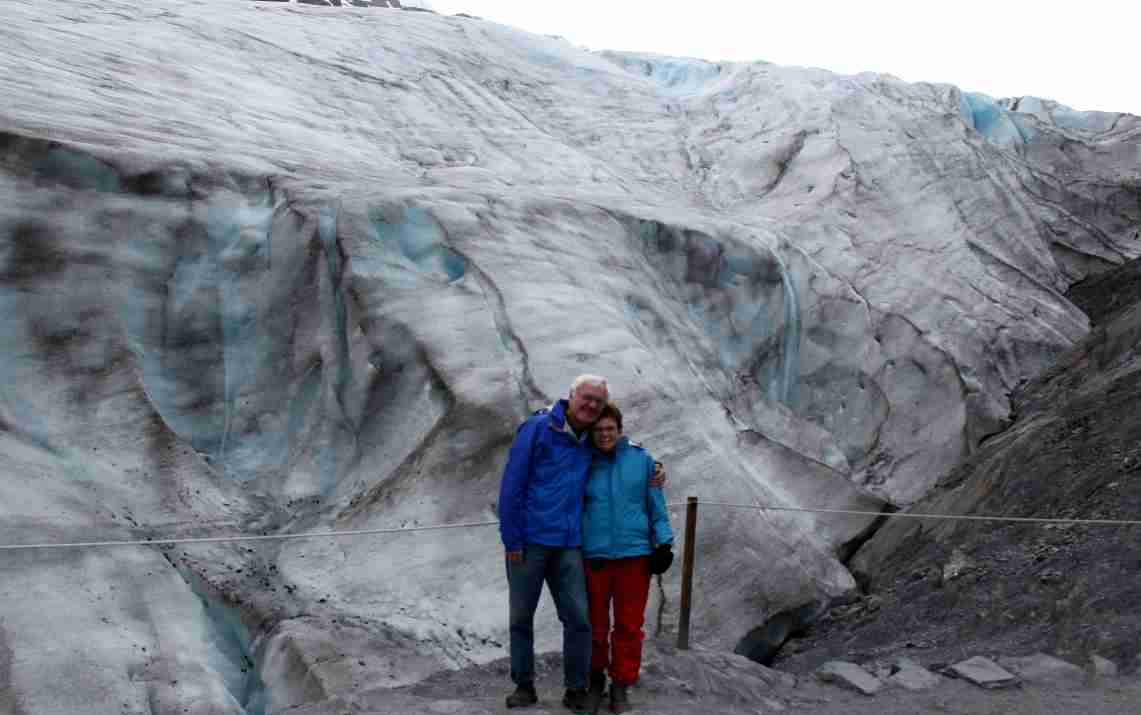
We are at the Exit Glacier.

We stayed at the Seward Windsong Lodge which is on the road to Exit Glacier. This is across the street from the lodge.
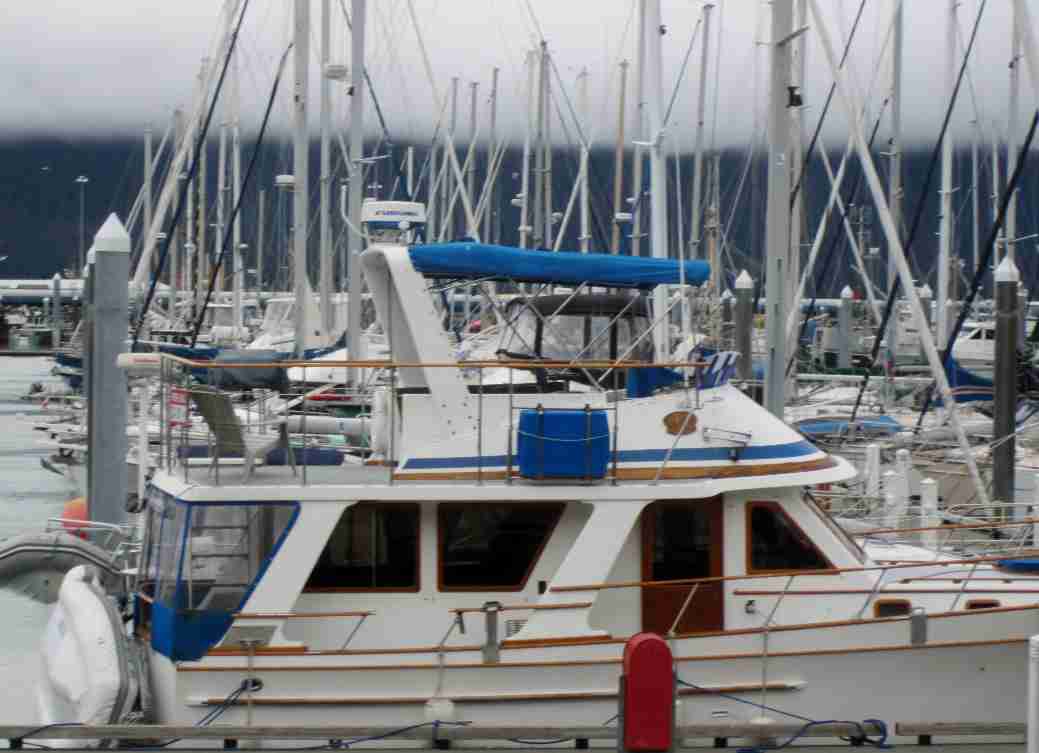
The boat docks are where the tourists hang out rather than the downtown. It seems as if almost everyone in Alaska owns a boat or a plane.
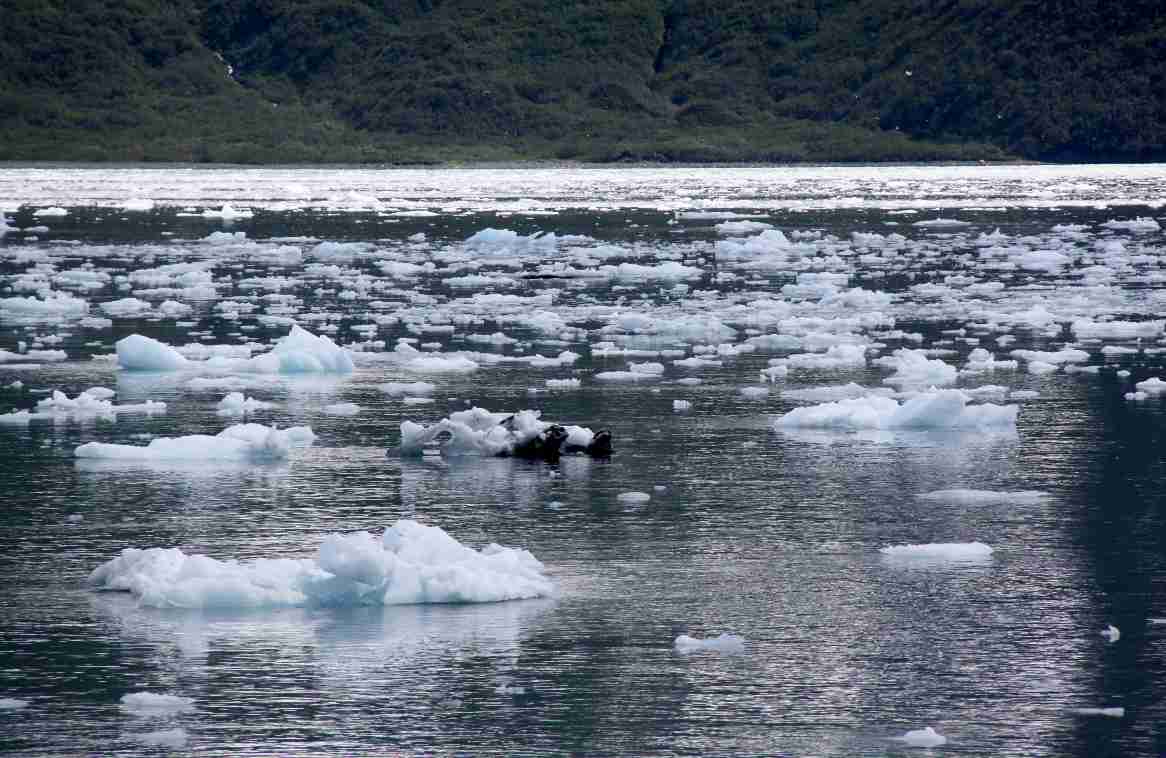
We went on a whale watch and glacier boat tour. Notice the seals.

So here is a whale.
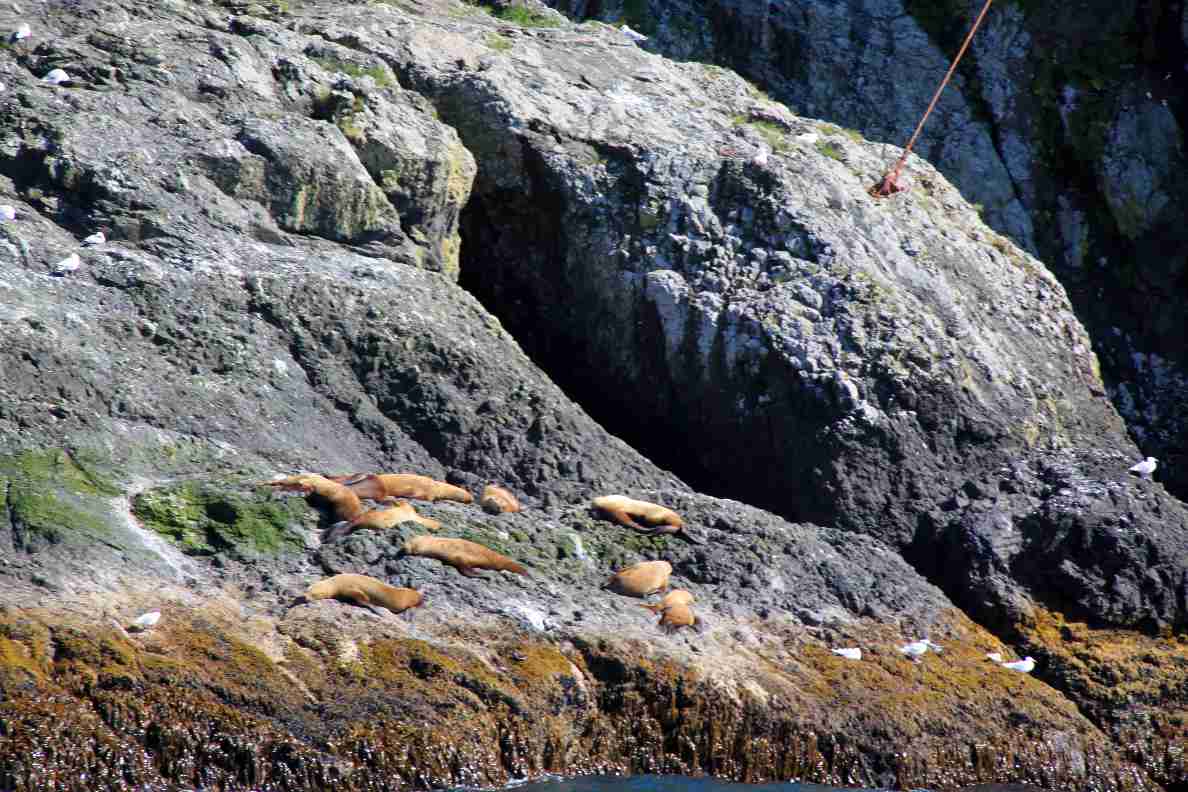
Seals.
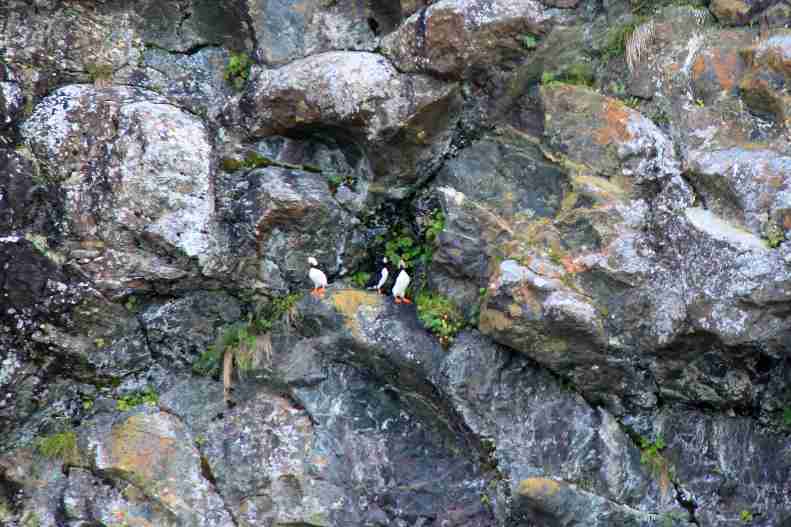
Puffins.
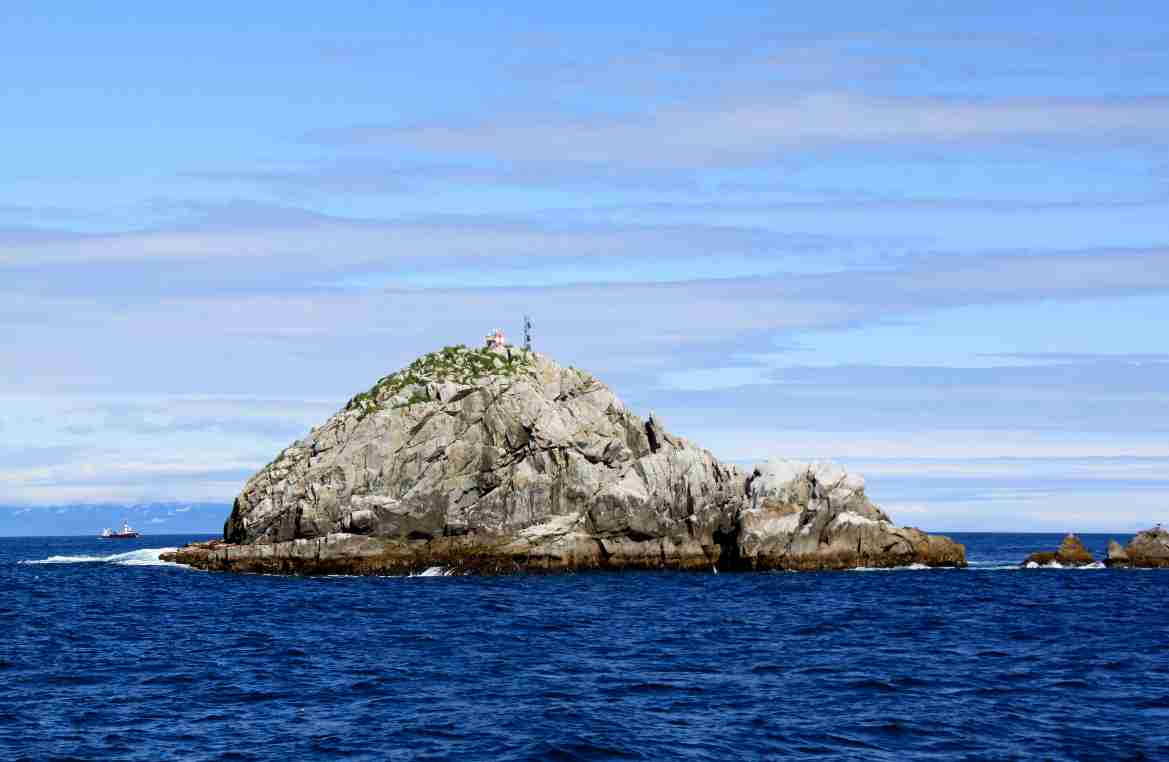
During the Second World War, Japan occupied a couple Alaskan islands so out government built bunkers on a number of islands. Imagine the effort needed to bring in supplies.
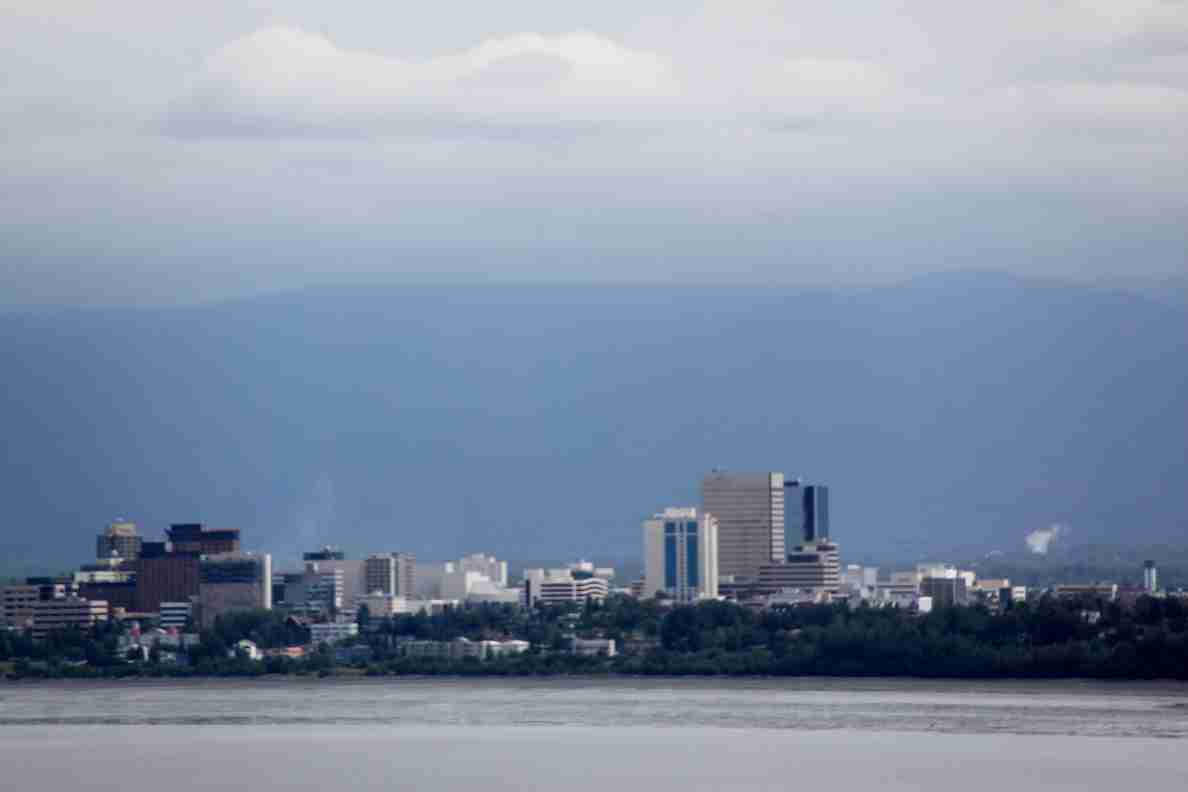
I went on the Tony Knowles Coastal Trail from which I could see downtown.
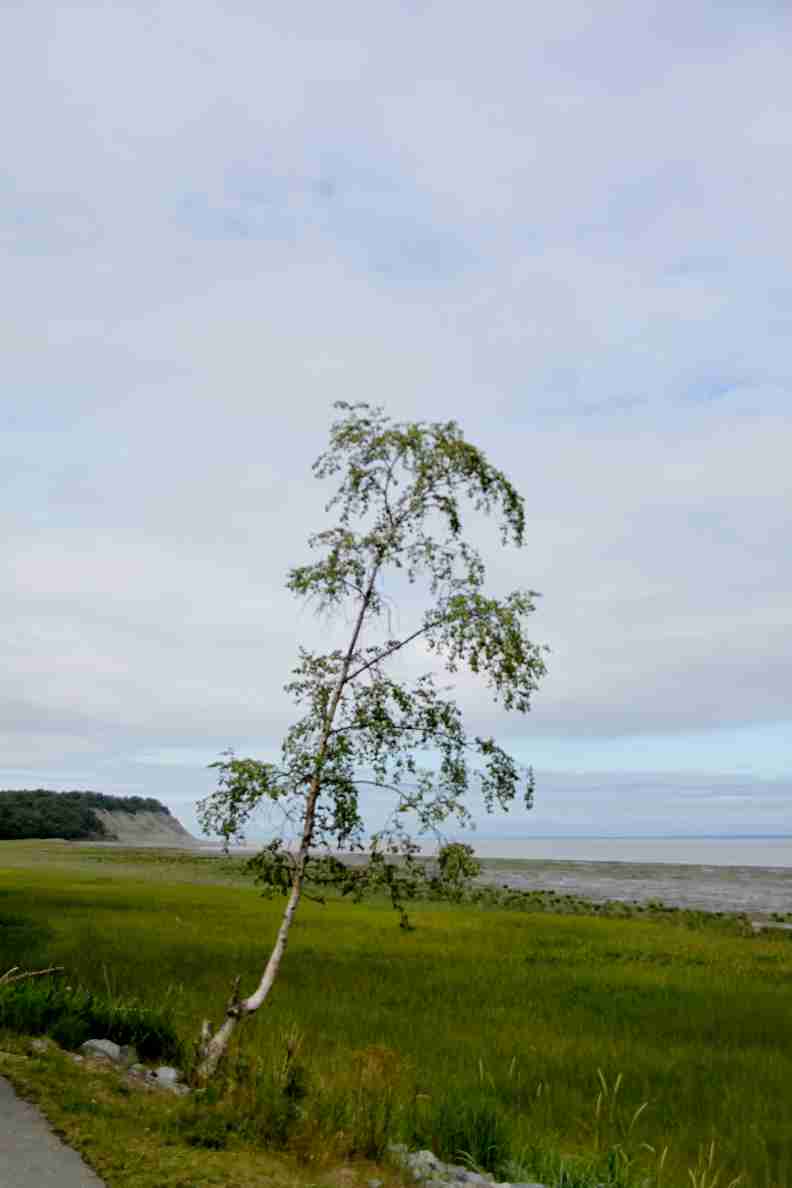
Along the Tony Knowles Coastal Trail.

Along the Tony Knowles Coastal Trail.

We took the train North to Denali National Park.
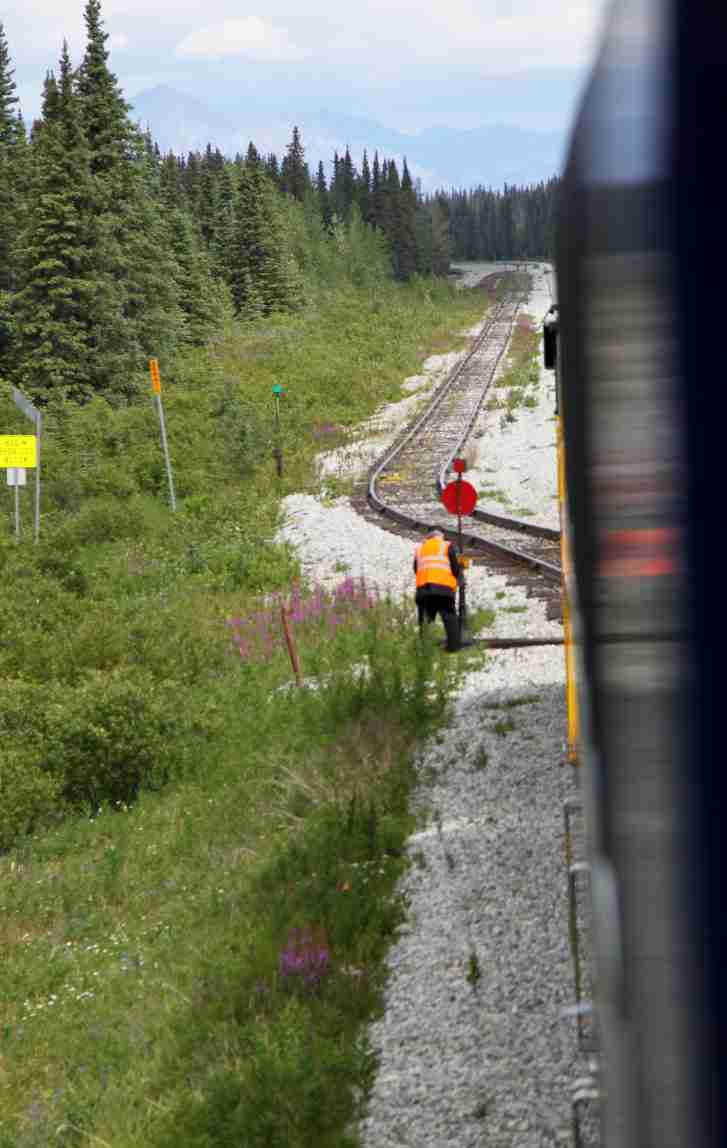
At one point the train needed to switch tracks so a man needed to do this.

Beaver.
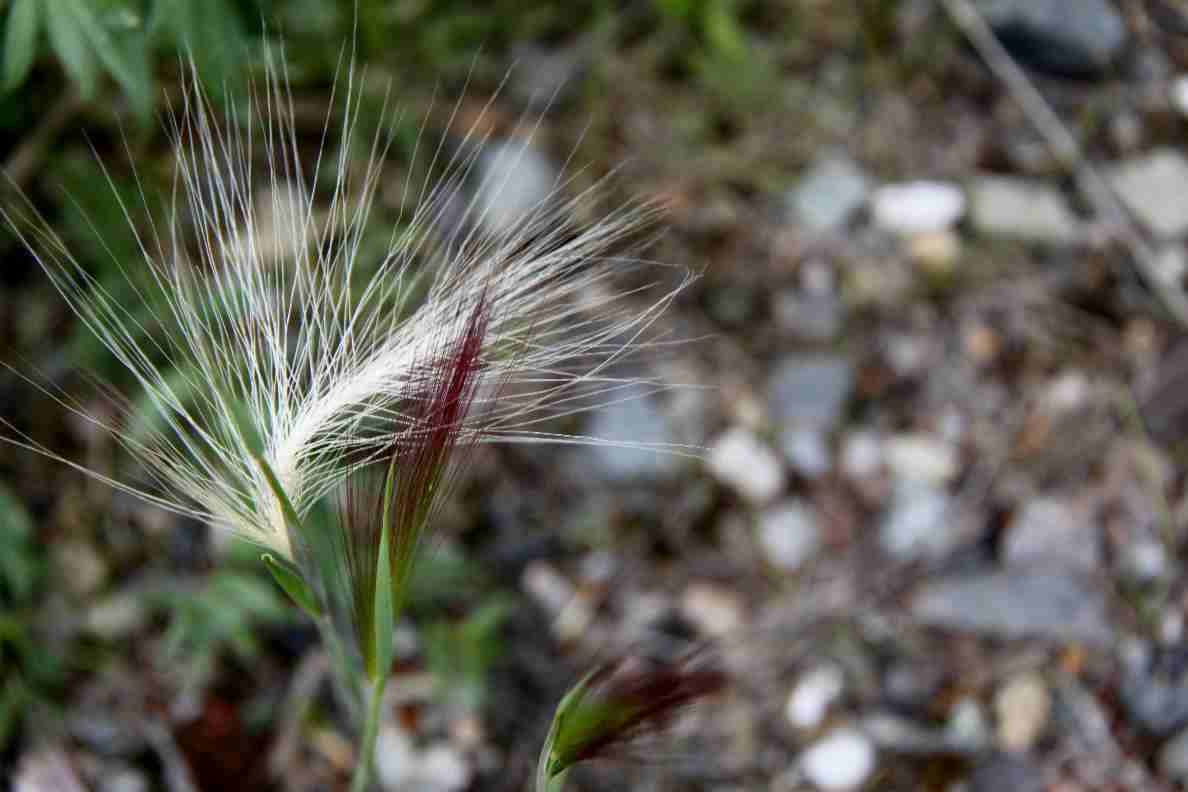
So many nice flowers.
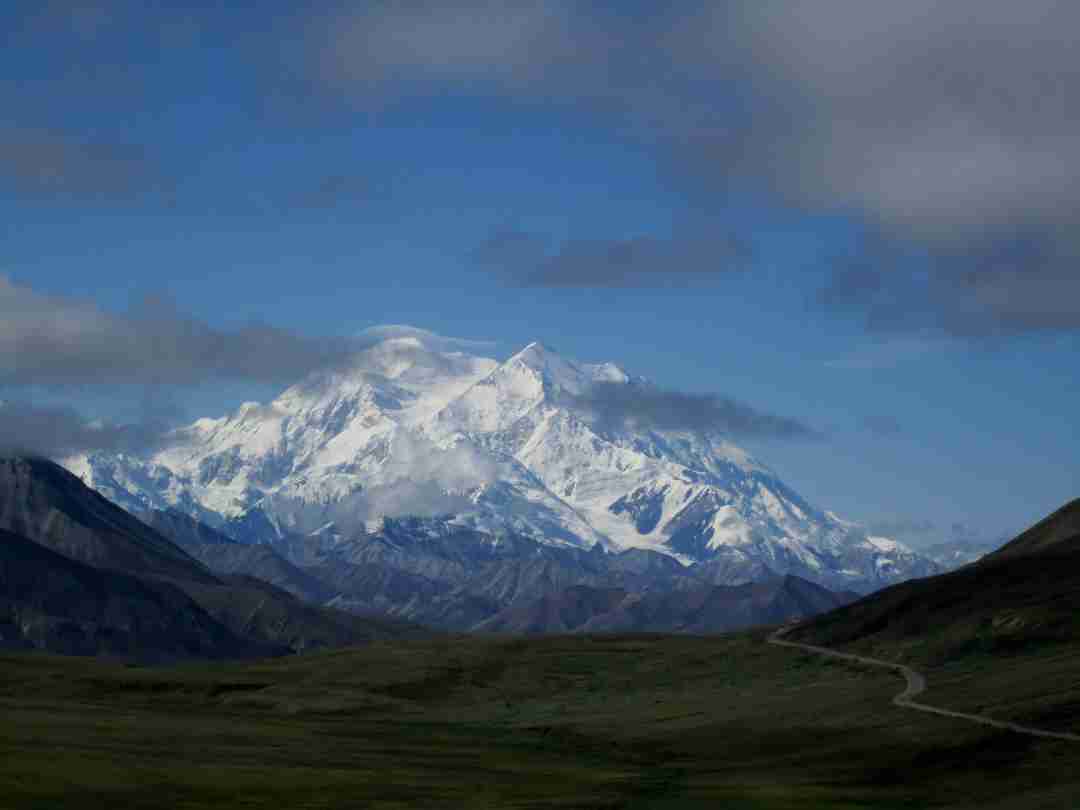
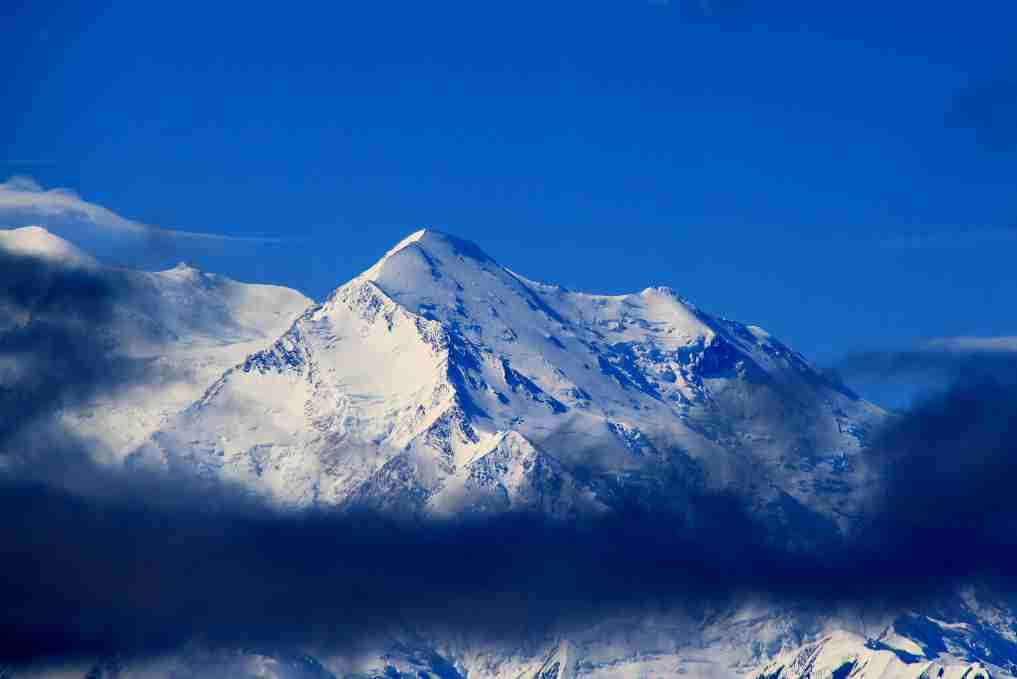
Mount Denali, also known as Mount McKinley. In the 1890s the mountain known to the natives as Denali—The High One—was renamed McKinley to promote an Ohio politician. Ohio has fought for that name to stay despite Alaska wanting the name Denali. It is the highest mountain in North America.





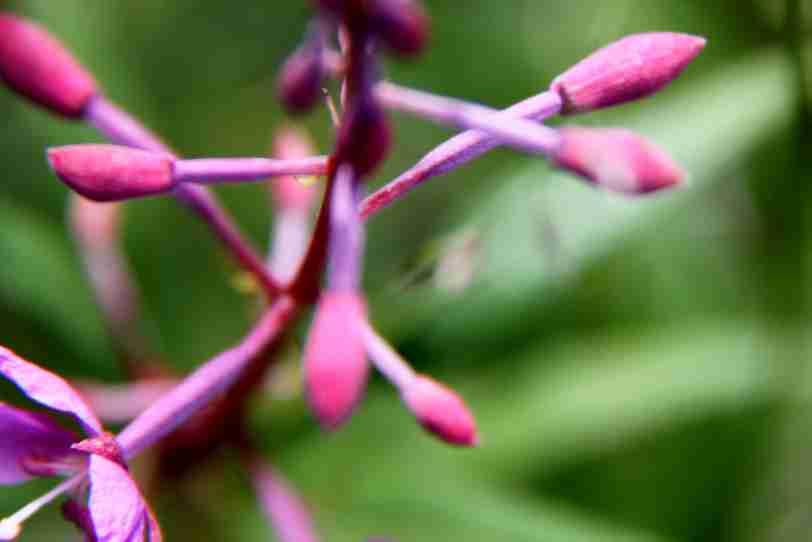
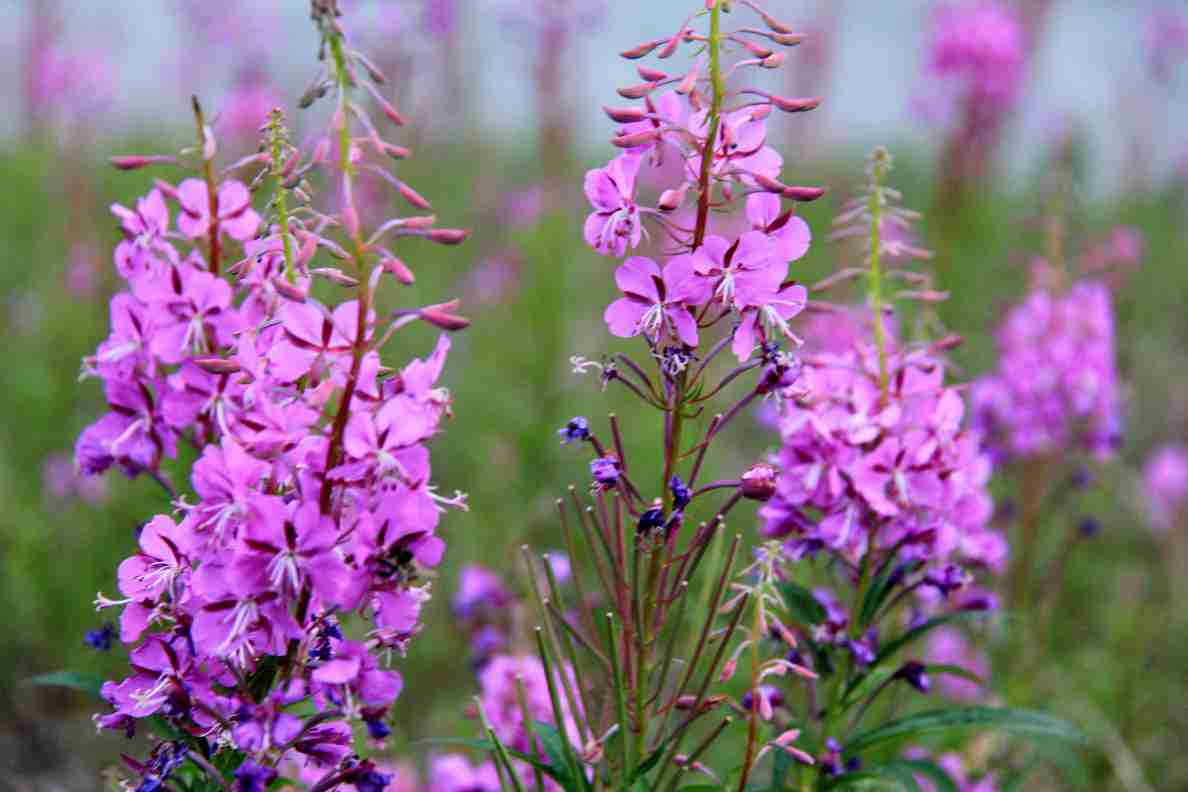
Fireweed.

We had been seeing these round yurts all around Alaska. The original yurts in Central Asia were portable, felt-covered, wood lattice-framed structures, but the modern hi-tech version is what we see here.
Homer is at the Southern end of the West side of the peninsula. The Cook Inlet is the water on this West side of the peninsula.

The Pratt Museum had a 1930s cabin on display, as well as exhibits on Alaskan history and the Exxon Valdez oil spill. The oil spill covered almost all of the Kenai Peninsula and in particular Homer and Seward, but not Cordova (a town we saw last on our trip).

The Pratt Museum also had a garden.

The Pratt Museum also had a garden.

The Pratt Museum also had a garden.

The Pratt Museum also had a garden.

The view from Skyline Drive.
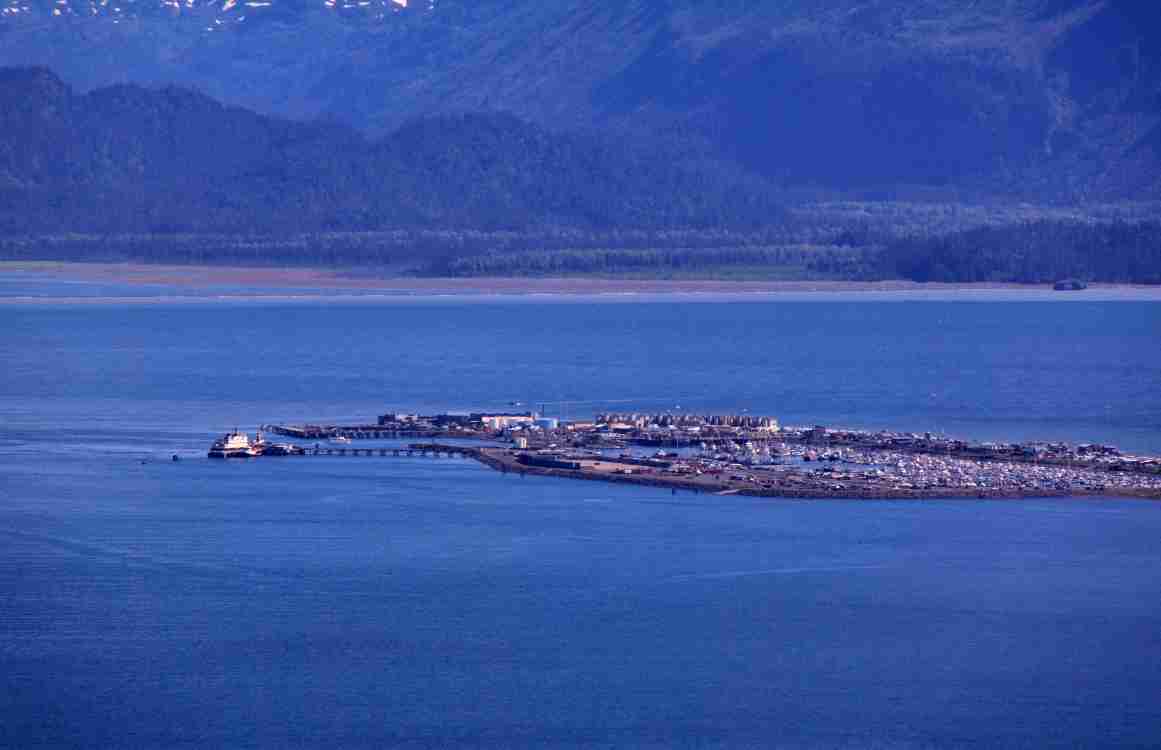
The view from Skyline Drive, here of the Homer spit in the Kachemak Bay.

This Russian church, Transfiguration of Our Lord, is in the tiny town of Ninilchik just North of Homer.
A plaque in a nearby park states:
[In the early 19th century] The declining sea otter population led to financial hardship for the Russian-American Company. Selling off and closing settlements to offset expenses produced an excess of employees. Other employees were older, sick or unproductive. A solution was needed to relieve the company of the cost of supporting these workers.
Retirement in Alaska was the solution promoted by several managers of the Russian-American Company. The company envisioned a productive, self supporting retired group that would ease food supply problems. ... Ninilchik was one of the first areas considered for retirement. A dwelling and outbuildings were constructed here in 1841, and two families were moved in. This first settlement attempt proved unsuccessful. The search was continued for suitable areas, leading to settlements [in other areas which when then became full so] Ninilchik was reconsidered for retirees. Between 1847 and 1851 five families were moved to Ninilchik [and] comprised the company's first permanent settlement at Ninilchik.
The success of the Russian presence in Alaska was made possible by using the knowledge and labors of the native populations. Children from mixed Russian and Native mariages were called Creoles. Creoles were given Russian colonial citizen status and exempted from taxation and military service. Education and training were made available to both women and men. This was quite a contrast to the earlier treatment of natives.
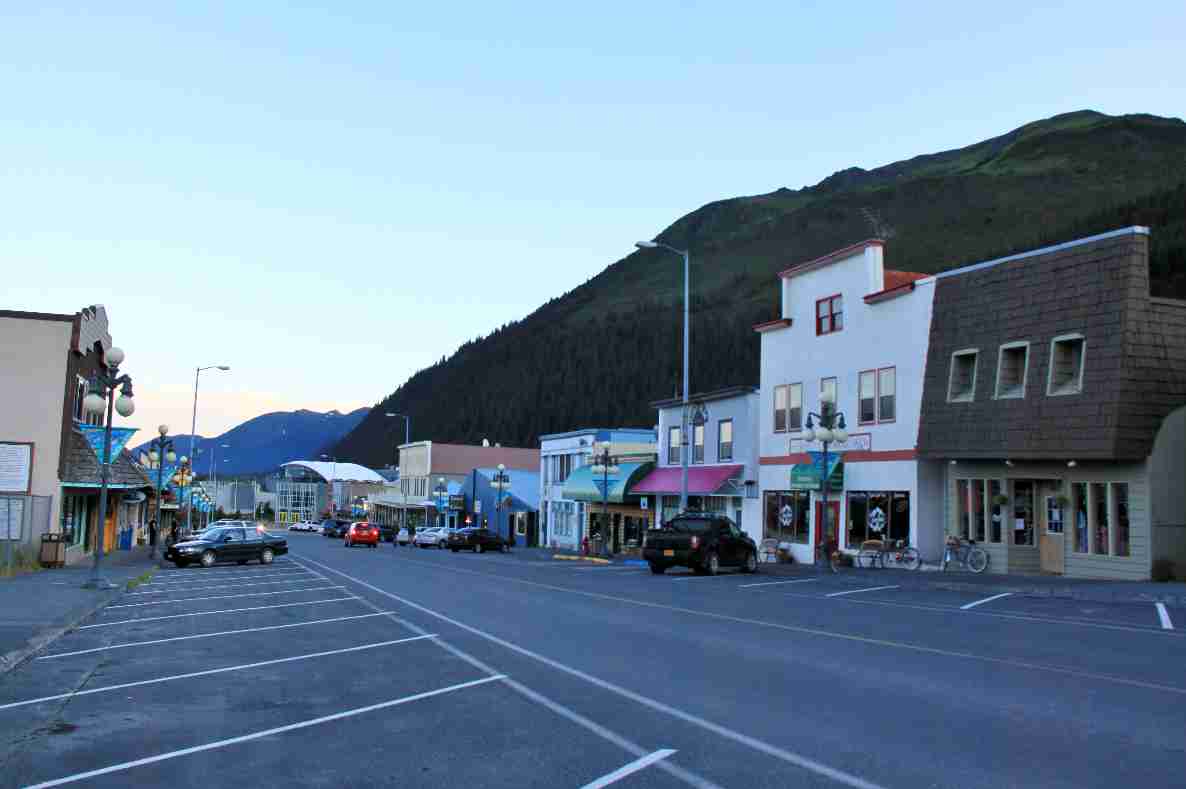
We returned to Seward and here is the main street of town in dusk.
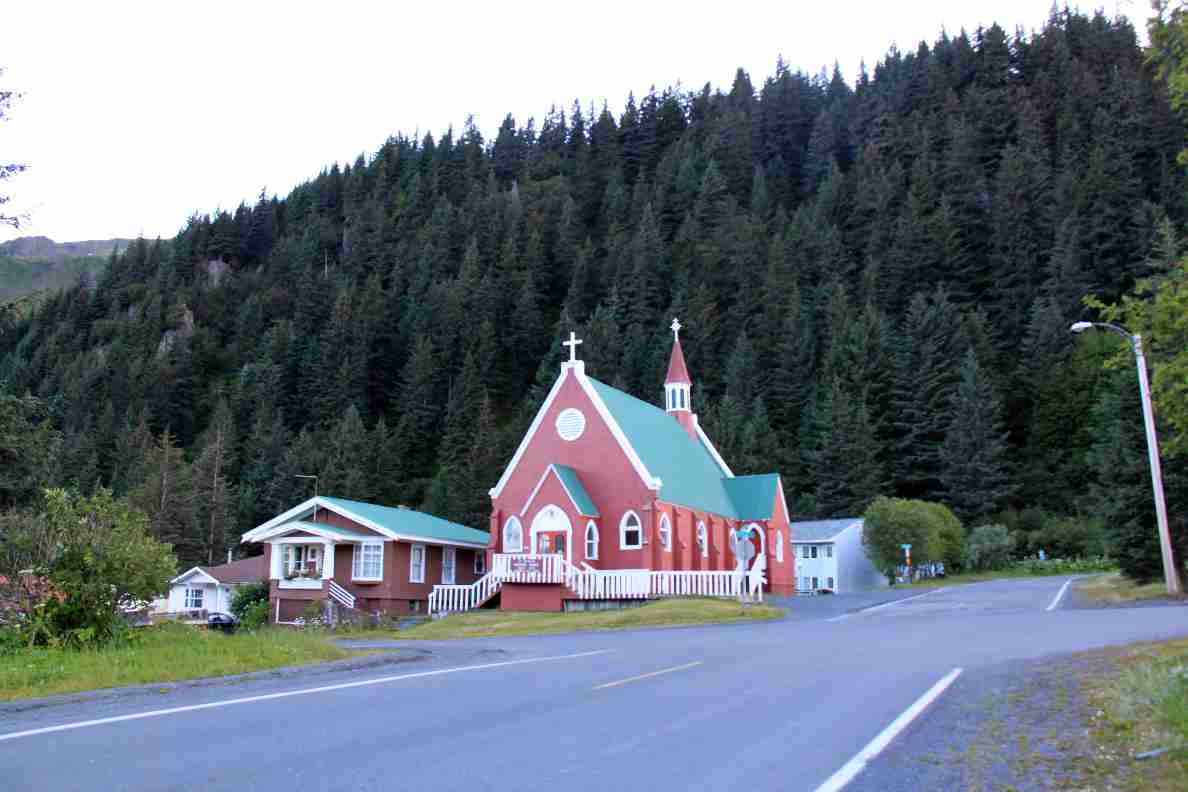
Notice how this Russian church is right next to the base of a mountain. Seward has mountains on all sides.
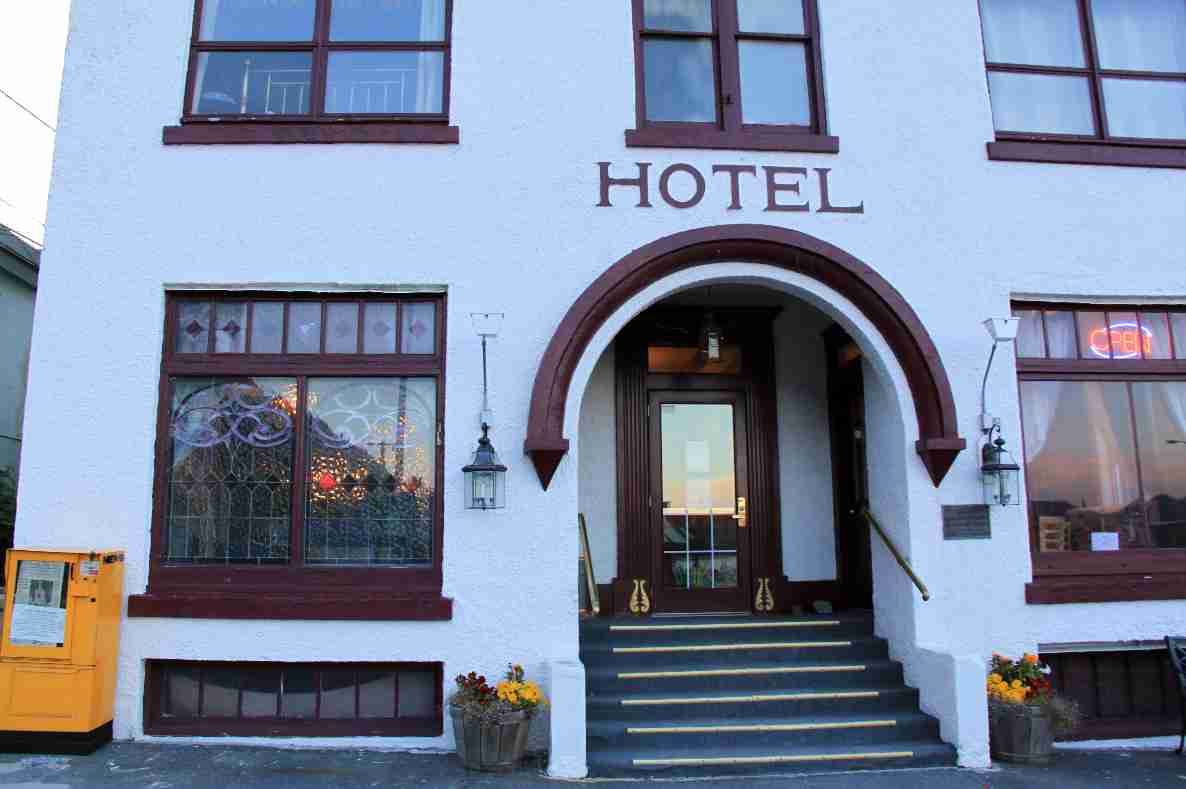
Looks like a historic hotel.
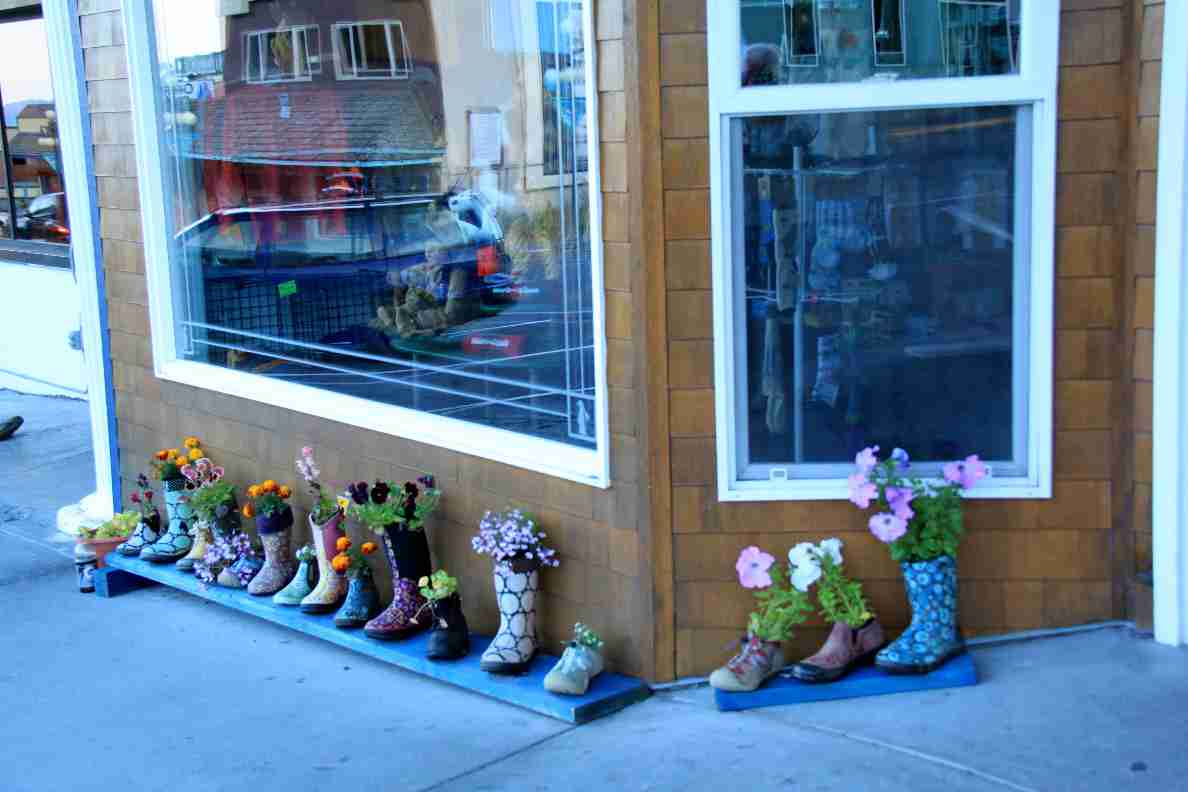
A downtown store.

A book store.
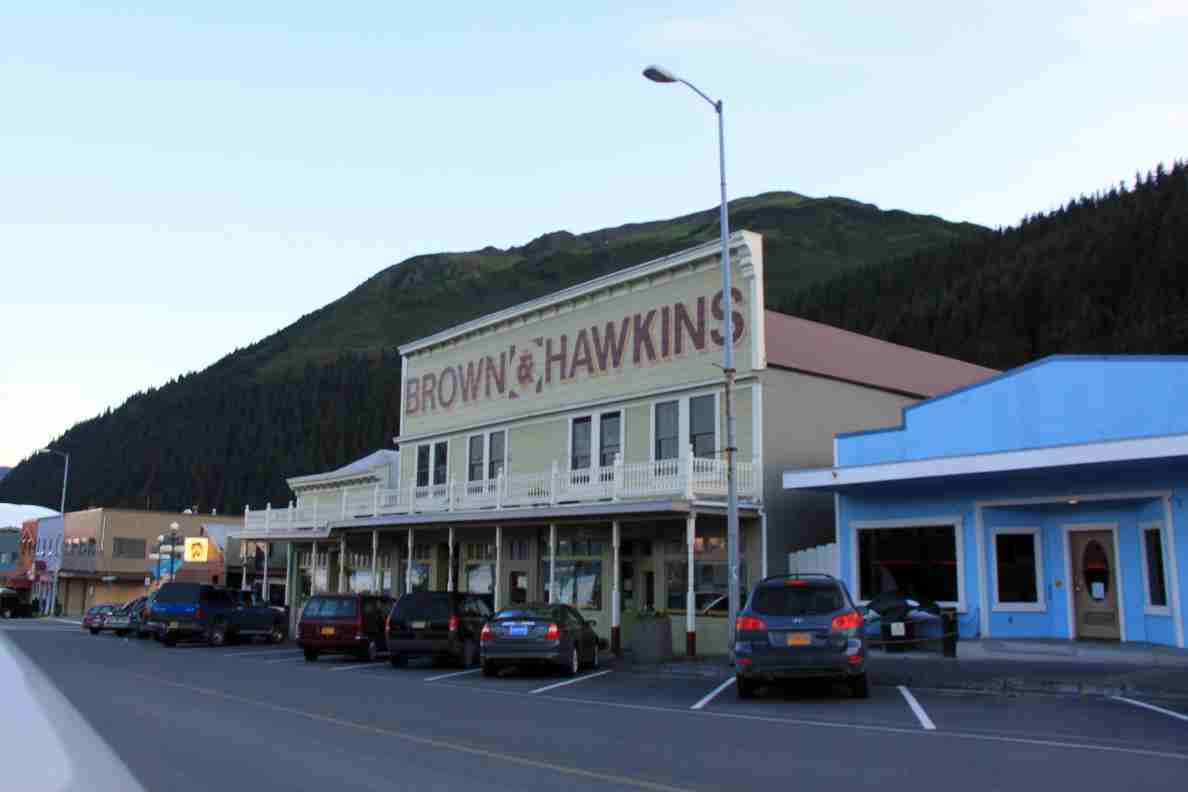
Another view of the main street.

Frank wanted to hike a more challenging trail at Exit Glacier so he chose the Harding Icefield Trail; 3000 feet of elevation and eight miles round trip.

Frank is already quite high.
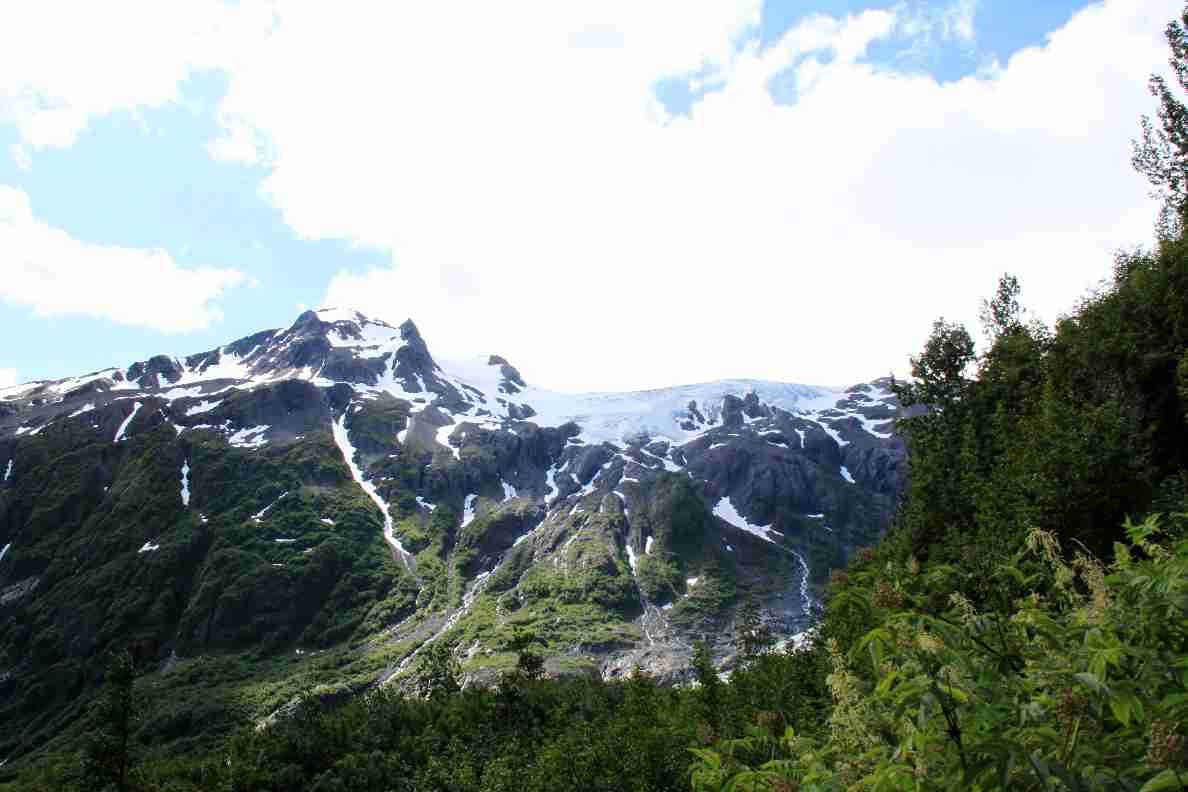
And higher.

Is this a vole?
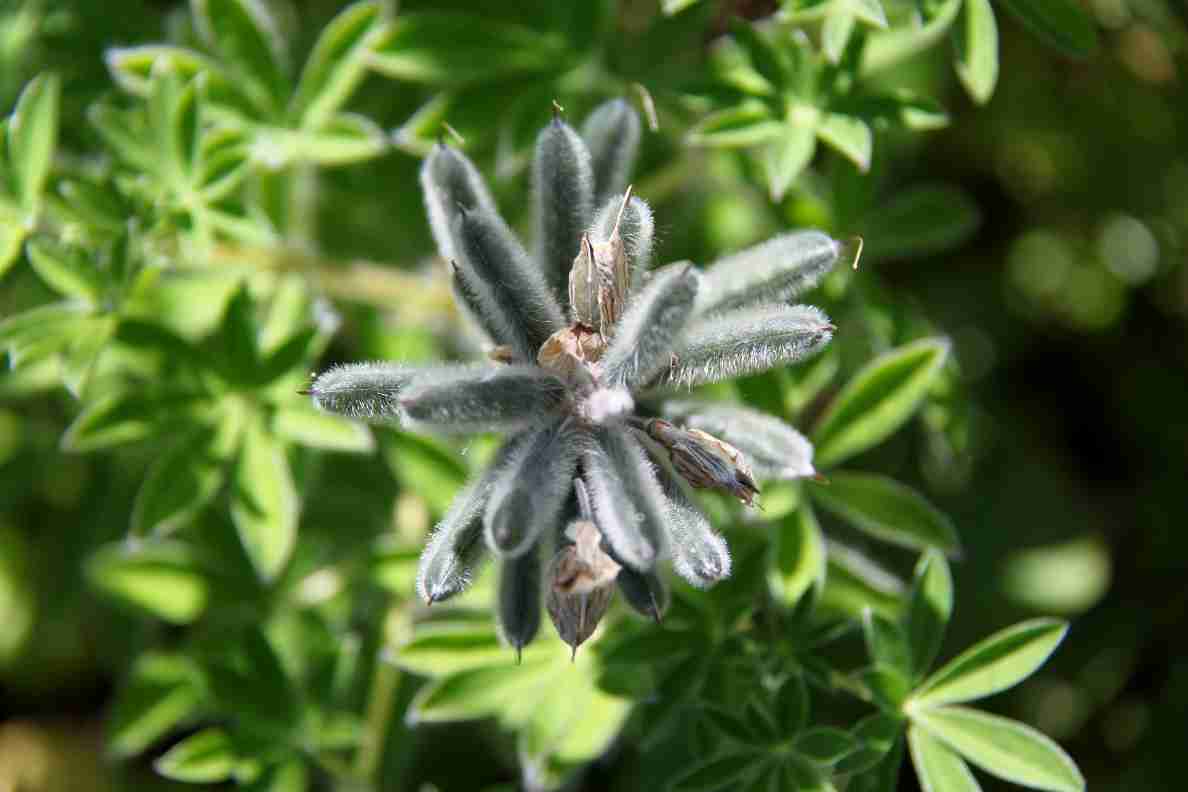
There are flowers way up high on the mountain.

What is this animal?

Yes, it is steep.

This is the trail.

Clean snow up on top.

Nearly there.


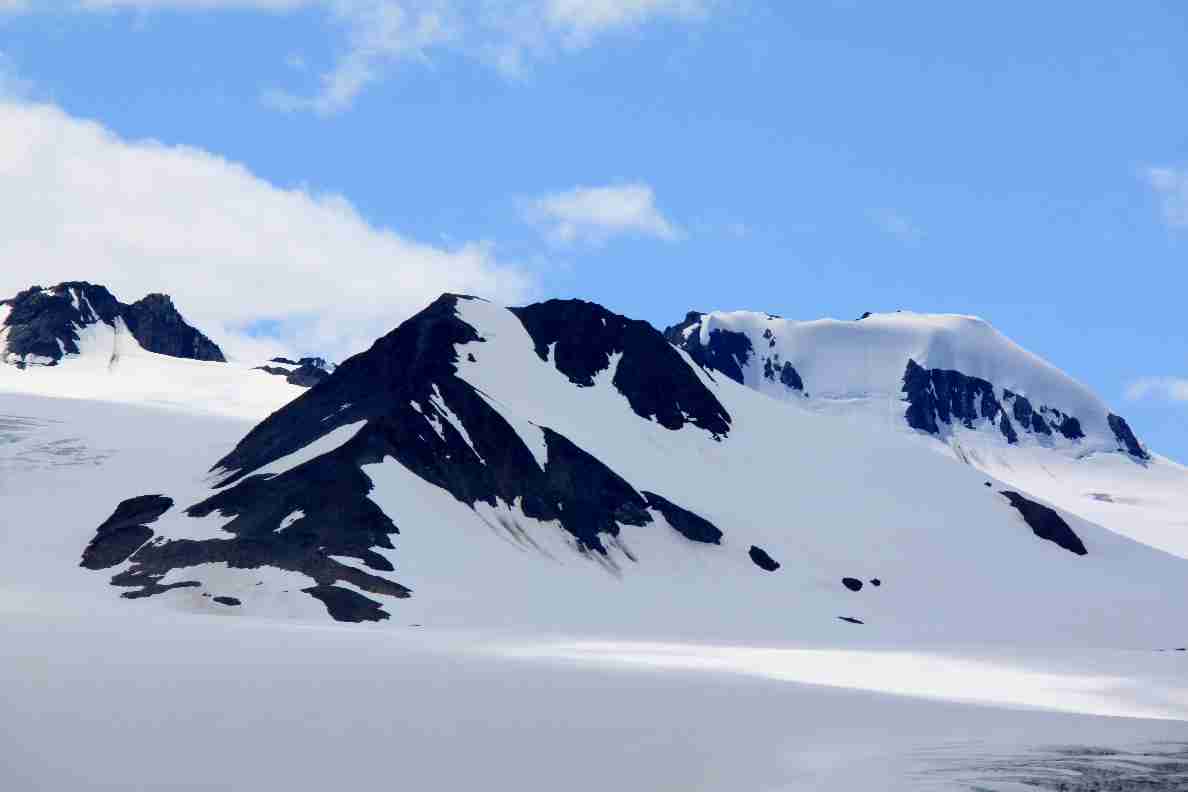


Frank still has a way to go.

It looks like the top but not yet.
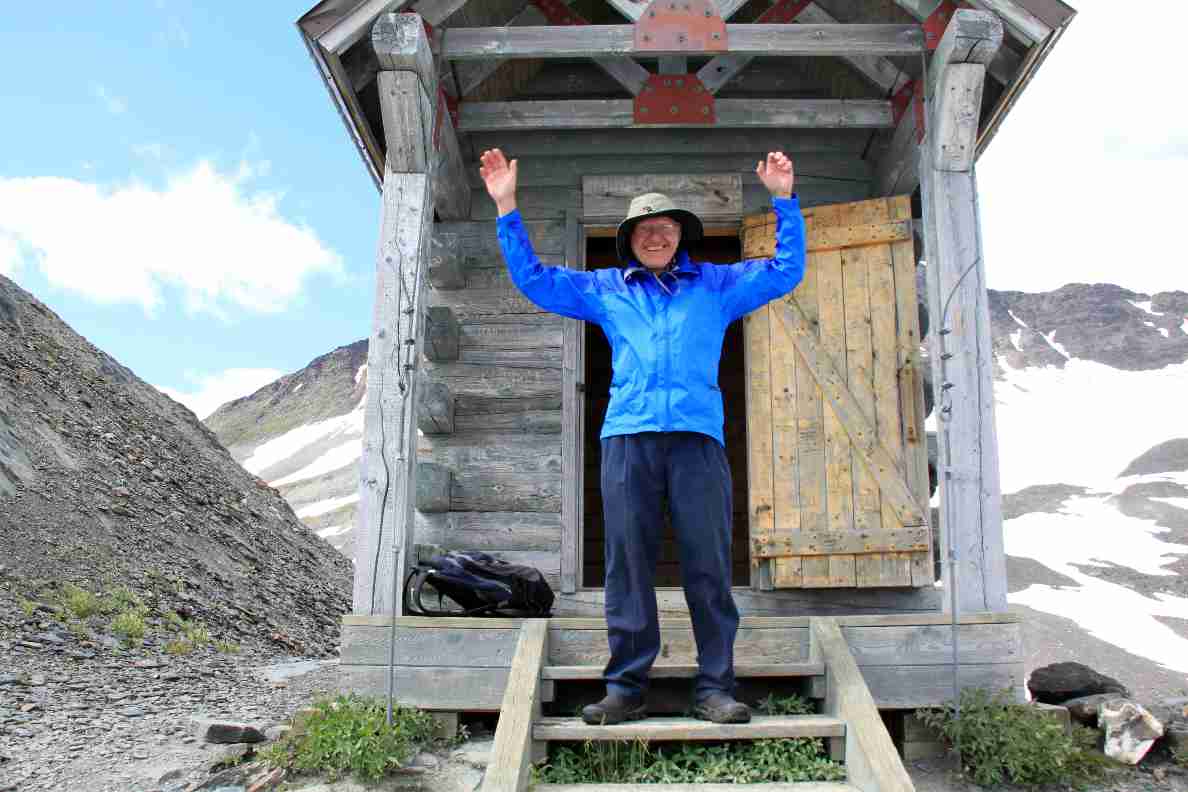
The first (and only) shelter on the trail.
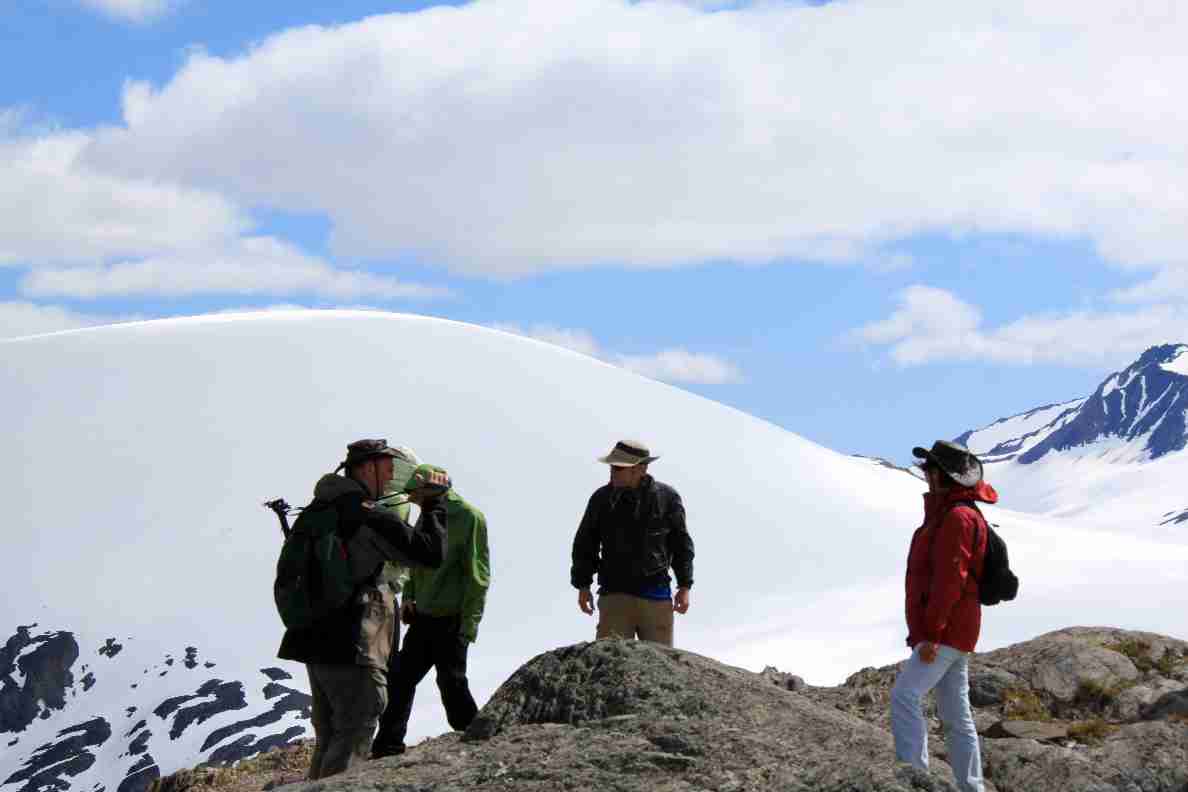
This is the top.

Frank made it to the top.
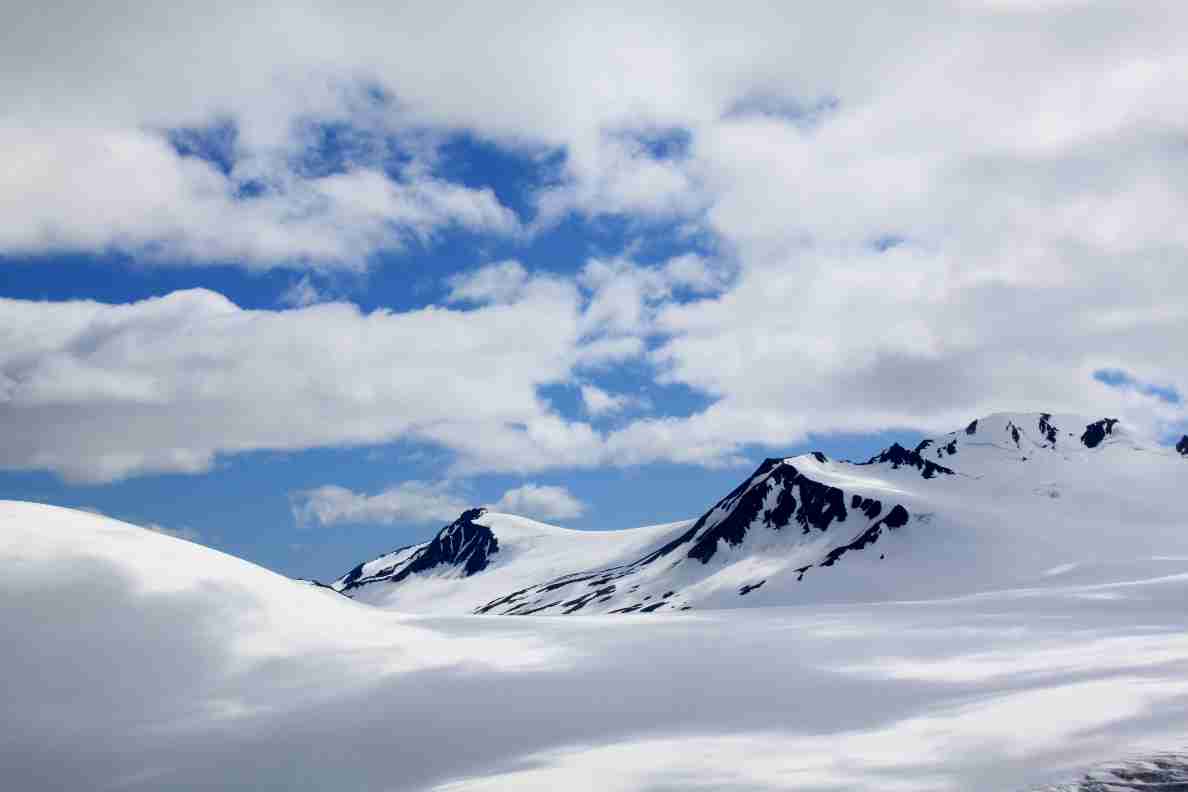
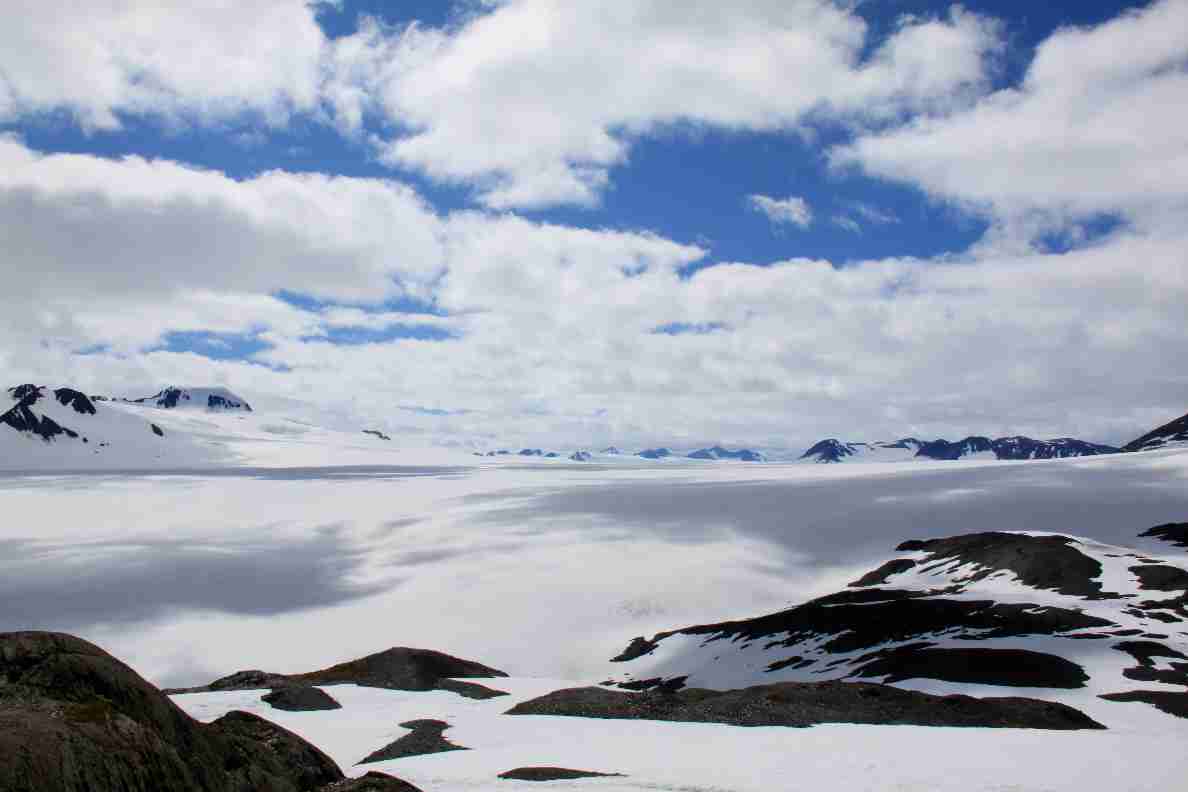


Nancy Lee at the SeaLife Center feeding Puffins.
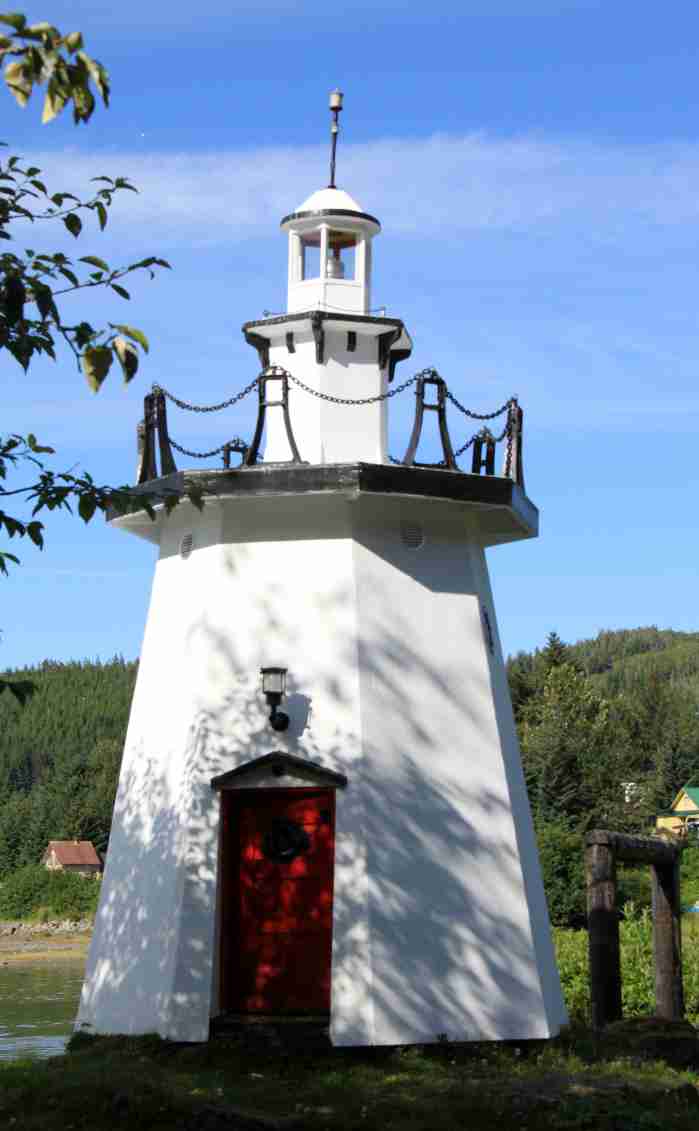
This town is isolated being only accessible by boat or plane. There are paved roads in the center of town and to the airport.
We stayed at the Cordova Rose Lodge which had all kinds of interesting nautical-based things to see.

At the lodge.

At the lodge.

At the lodge.
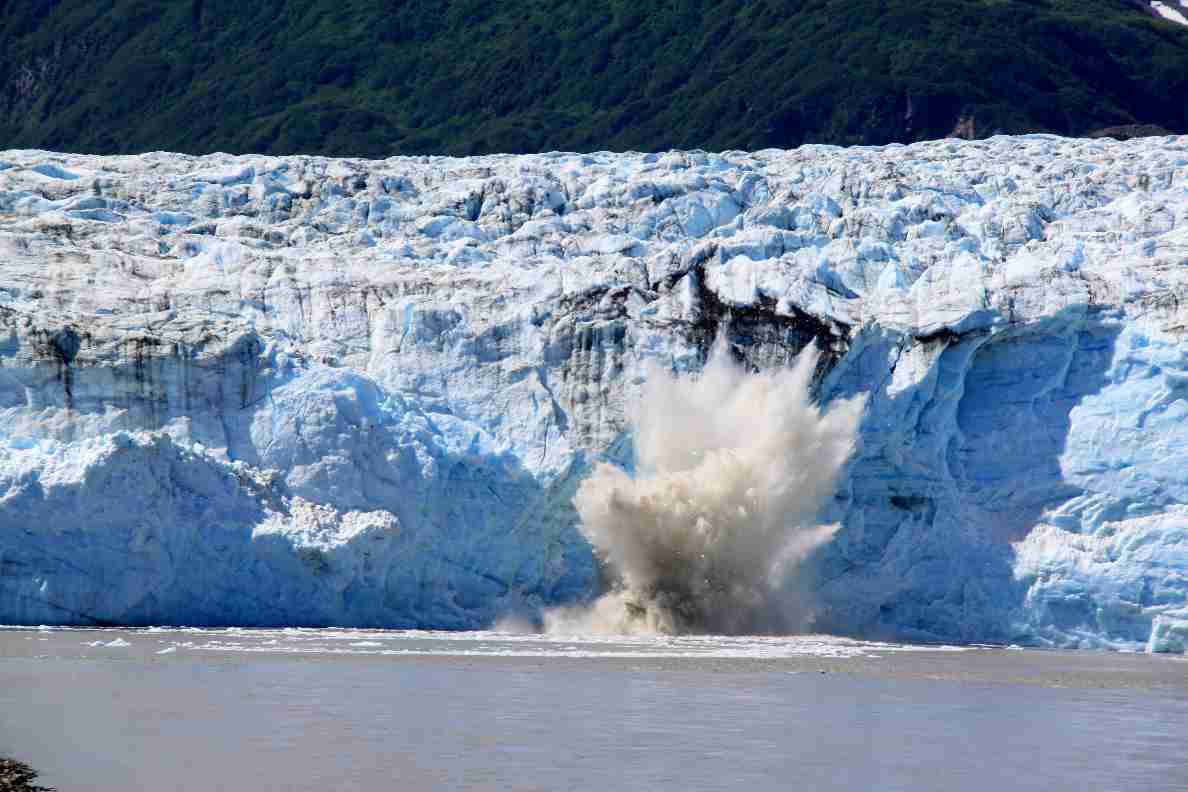
We went to see Childs Glacier and here we see it calving.

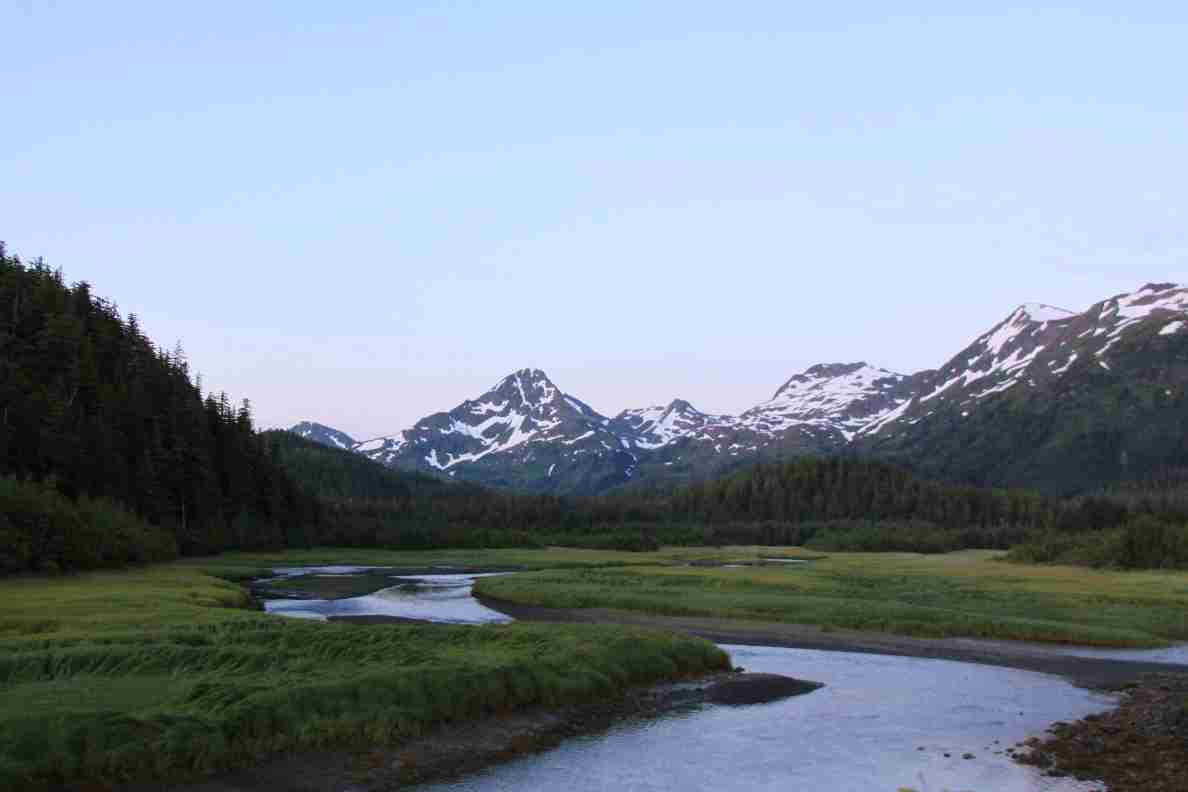

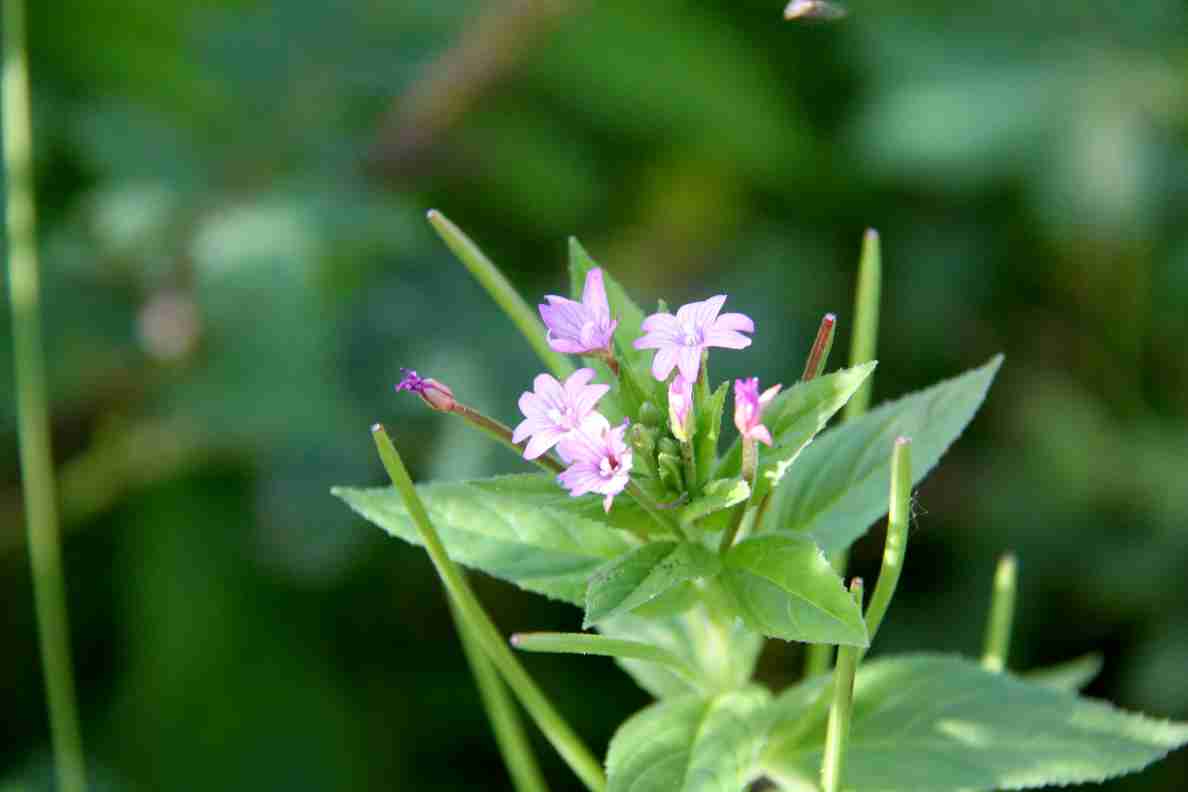

These salmon are in Eyak Lake. The females are spawning and after laying their eggs they die. We say a number of dead fish here.

One final trail that Frank climbed was the Sheridan Mountain trail. Its maintenance was odd: Here there is a great board walk so that the vegetation is not trampled. But higher up the trail was not marked well and I got lost.

Here Frank is at the top looking at Sheridan Glacier melting into a lake.
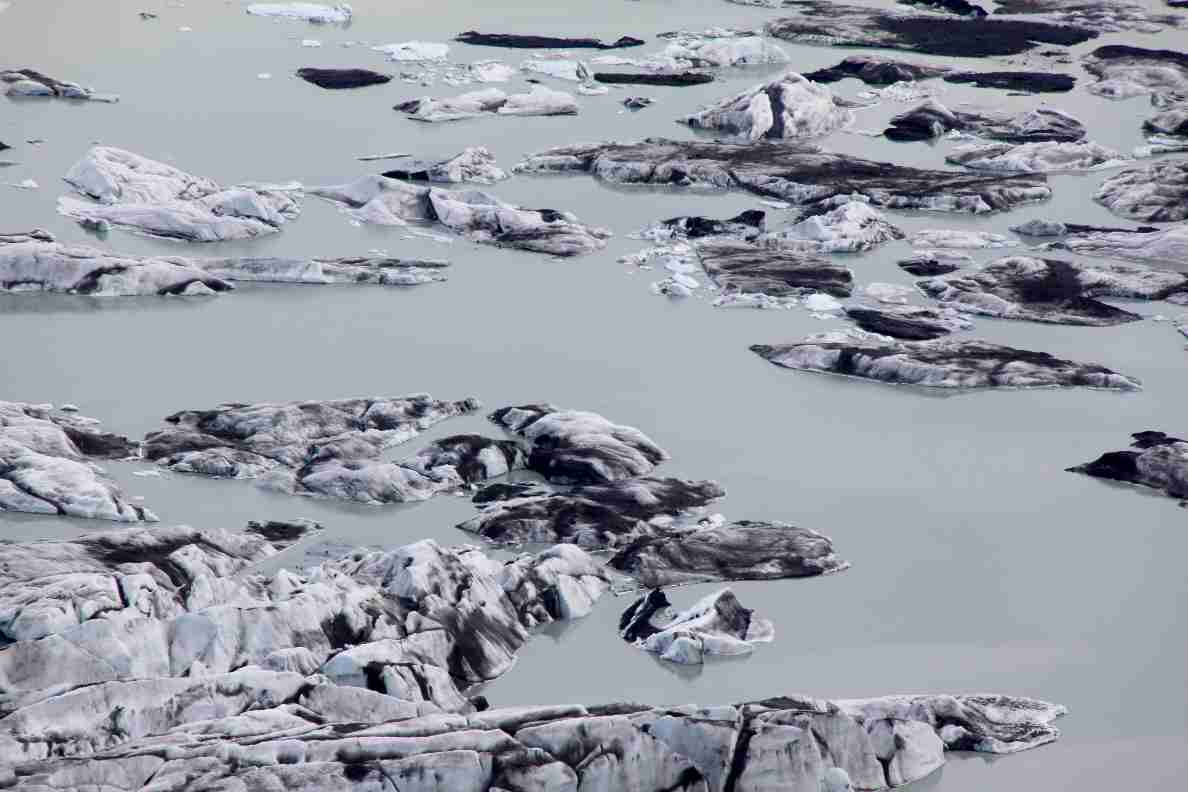
Here is the ice that has calved from the glacier and is floating in the lake.
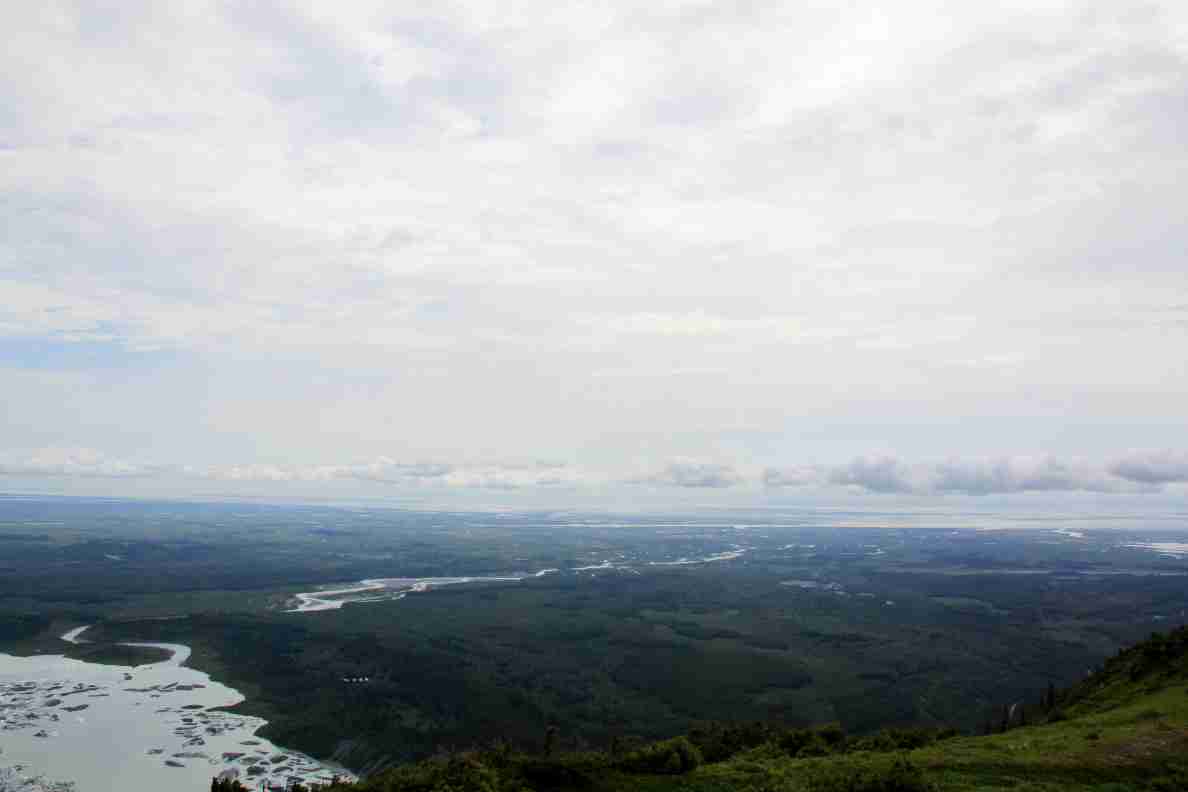
Another view from the top. This is looking South toward the Gulf of Alaska.